Key takeaways
- Blood clots during EBO2 therapy are not a detox benefit, they are typically a sign of inadequate anticoagulation and protocol breakdown.
- Proper anticoagulation is essential for safety. Established EBO2 protocols require careful heparin dosing and continuous monitoring to prevent clot formation.
- Clot formation indicates a complication, not success. In all extracorporeal therapies, visible clotting should prompt immediate correction, not be used for marketing claims.
- Patient safety and informed consent must come first. Accurate education and adherence to evidence-based standards are critical for safe, effective EBO2 treatment.
A Growing Concern in EBO2 Therapy: Misinterpreting Blood Clots as a Sign of Success
In recent years, a concerning trend has emerged within the regenerative medicine space. Some providers performing Extracorporeal Blood Oxygenation and Ozonation (EBO2) are presenting blood clots formed during treatment as proof that the therapy is “working.” However, this interpretation reflects a serious misunderstanding, and in some cases, misrepresentation, of how extracorporeal therapies are designed to function. More importantly, it raises critical concerns about patient safety and informed consent.
Understanding Anticoagulation in EBO2 Treatments
EBO2 is an advanced extracorporeal procedure in which blood is temporarily removed from the body, exposed to oxygen and ozone, and then safely returned through a closed-loop system. Because blood interacts with artificial surfaces such as tubing and filters, the body’s natural clotting cascade is immediately activated.
For this reason, strict anticoagulation protocols are essential.
Established guidelines from international ozone therapy authorities recommend:
- Pre-flushing the system with heparin (2,500–5,000 IU)
- Maintaining a maximum total dose of up to 10,000 IU during treatment
- Administering additional heparin if any signs of clotting occur
These measures are not optional, they are fundamental to ensuring safe and effective treatment.
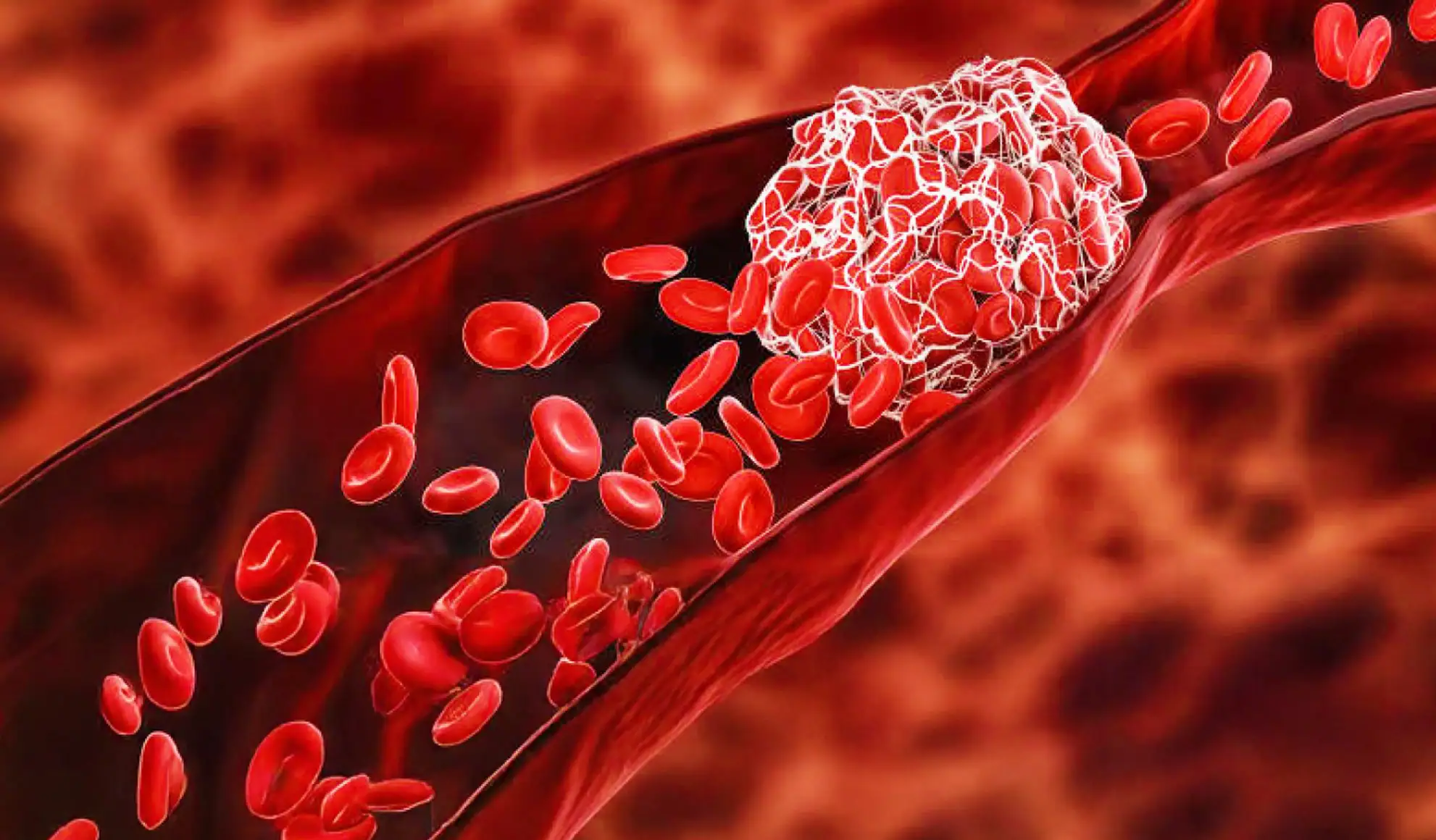
Why Blood Clots During EBO2 are Not a “Detox” Benefit
Some marketing narratives suggest that clots seen in EBO2 tubing represent:
- Toxins
- Plaque
- Or harmful debris being removed from the bloodstream
This is incorrect and potentially dangerous.
Clots formed in the extracorporeal circuit are not pre-existing substances from the patient’s body. Instead, they are:
- Iatrogenic (caused by the procedure itself)
- The direct result of inadequate anticoagulation
In other words, these clots form during the treatment, not before it.
Clot Formation Indicates a Breakdown in Protocol
When visible clotting occurs during EBO2, it signals multiple issues:
- Insufficient initial anticoagulation
- Inadequate monitoring throughout the procedure
- Failure to intervene promptly when clotting begins
Heparin, the primary anticoagulant used, has a relatively short half-life. Therefore, without careful monitoring and timely re-dosing, clot formation becomes predictable rather than rare.
In comparable extracorporeal therapies, such as ECMO, any clot formation is treated as a serious complication, requiring immediate correction. It is never considered a positive outcome.
Patient Safety and Informed Consent
Presenting procedural complications as therapeutic benefits creates a serious ethical concern. Patients deserve accurate information when making decisions about their care.
If clot formation is framed as a sign of success:
- Patients may be misled about the true safety profile of the treatment
- Informed consent is compromised
- Providers may unintentionally lower their vigilance regarding proper protocols
Additionally, significant clot formation may suggest broader anticoagulation issues, which could introduce unnecessary risk if not properly managed.
Upholding Standards in Regenerative Medicine
EBO2 is a promising and legitimate therapy when performed correctly. However, its effectiveness depends entirely on adherence to established medical protocols.
As providers of advanced therapies, we must:
- Prioritize patient safety above marketing narratives
- Maintain strict protocol integrity
- Communicate with transparency and accuracy
Reframing complications as benefits not only puts patients at risk, it also undermines the credibility of regenerative and functional medicine as a whole.
What Patients and Providers Should Ask
When considering EBO2 therapy, it is appropriate to ask:
- What anticoagulation protocol is used?
- How is clotting monitored during treatment?
- What steps are taken if clotting is observed?
Clear, confident answers to these questions reflect a commitment to safe, evidence-informed care.
Key Takeaway
When performed properly, EBO2 therapy should not produce visible clot formation.
Clots are not a sign of detoxification, they are a sign that protocol adjustments are needed immediately.
Moving Forward with Integrity
The future of regenerative medicine depends on clinical integrity, patient trust, and scientific accuracy. While compelling visuals may attract attention, they should never replace sound medical practice.
At its core, effective care is not about what looks dramatic, it’s about what is safe, precise, and grounded in evidence. Patients deserve nothing less.